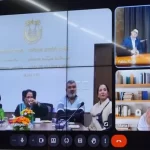
New Delhi, October 28: Jamaat-e-Islami Hind (JIH) Vice President Malik Motasim Khan has raised serious concerns over the Election Commission of India’s (ECI) announcement of a nationwide Special Intensive Revision (SIR) of electoral rolls, warning that the exercise could lead to large-scale voter exclusions similar to those reported in Bihar.
Khan said the Bihar SIR, which concluded recently, was marred by irregularities, unrealistic deadlines, and lack of transparency. He claimed nearly 65 lakh names were deleted from the draft rolls during that process, and around 47 lakh voters remained excluded even after revisions. “The burden of proof was unfairly shifted to citizens, turning a routine administrative exercise into a citizenship verification drive,” he remarked.
Questioning the ECI’s plan to replicate this process across 12 States and Union Territories, Khan urged the Commission to address several key issues before proceeding. He asked what lessons had been learned from Bihar and what changes were being made to the SIR guidelines. He also questioned the one‑month timeframe for such a massive exercise and the continued use of 2002–2003 as the cutoff year, when no citizenship verification took place.
Khan sought clarity on why Aadhaar is rejected as proof of citizenship despite Supreme Court directions, while other non-citizenship documents are accepted. He also demanded clarity on who qualifies for exemption based on inclusion in the 2002–2003 rolls—the individual, their children, or extended family members.
The JIH leader raised doubts about the revised house‑to‑house verification process, asking whether new voters can be added at the draft stage, and how acknowledgment receipts will be ensured for all submitted forms. He cited reports of Booth Level Officers filling forms without consent and pressed for strict safeguards against forgery.
Highlighting concerns over inclusivity, Khan said women’s representation fell notably during Bihar’s SIR process and asked what corrective measures would be taken to prevent a repeat. He also questioned whether those facing deletion will receive due notice and hearings or be forced to reapply as new voters.
Khan criticized the omission of widely accepted identification documents such as PAN cards, driving licenses, MNREGA job cards, ration cards, and bank passbooks from the list of approved documents. He further urged the ECI to ensure technological transparency by implementing robust de‑duplication systems and releasing machine‑readable draft and final rolls for public scrutiny.
“Electoral roll revisions should not resemble citizenship verification drives. The right to vote must be safeguarded, not obstructed through bureaucratic hurdles,” Khan said. He called upon the ECI to act transparently, uphold constitutional values, and ensure that no eligible voter is disenfranchised due to procedural lapses or administrative opacity.
- Jamia’s RCA Shines: 38 Students Clear UPSC 2025 with 4 in Top 50

- JIH President Condemns US-Israel Aggression on Iran, Warns Against Wider Gulf War

- Srinagar Police Launch Major Crackdown on Fake News Network; Multiple Summons Issued

- JIH President Syed Sadatullah Husaini Mourns Ayatollah Ali Khamenei Assassination, Blasts US-Israel Strikes on Iran

- Jamia Millia Islamia Partners with Argentina’s UNSAdA to Bolster Global Academic Research