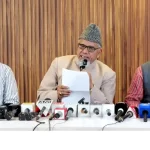
NEW DELHI: Prime Minister Narendra Modi has called for a unified “Team India” approach to manage the economic and logistical ripples of the “dynamic” situation in West Asia. During a high-level review meeting on Friday with Chief Ministers, the PM emphasized that national coordination is the country’s greatest strength in maintaining stability.
Strategic Priorities & Supply Chain Security
The Prime Minister underscored that while the global situation remains fluid, India is drawing on its experience from the COVID-19 pandemic to mitigate disruptions. To protect the economy, the government has identified four key pillars of focus:
- Economic Stability: Protecting trade routes and industry output.
- Energy Security: Ensuring a steady flow of fuel and power.
- Citizen Welfare: Shielding the public from price hikes and shortages.
- Supply Chain Resilience: Strengthening MSMEs and domestic production.
“The situation is dynamic, requiring continuous monitoring and adaptive strategies,” PM Modi stated, noting that an Inter-Ministerial Group has been conducting daily reviews since March 3.
Directives for State Action
The Prime Minister urged State Governments to take the lead in ground-level implementation, specifically calling for:
- Anti-Hoarding Measures: Strict action against profiteering to keep essential goods affordable.
- Agricultural Preparedness: Ensuring fertilizer distribution is seamless for the upcoming Kharif season.
- Communication Hubs: Activating state and district control rooms to provide accurate information and dispel rumors or “fake news” regarding maritime operations.
- Support for Diaspora: Establishing helplines and nodal officers to assist families of Indian citizens currently in West Asia.
Energy Shift & Long-Term Vision
Beyond immediate crisis management, the PM urged a pivot toward energy independence. He encouraged states to accelerate the adoption of biofuels, solar energy, and the GOBARdhan initiative, while also expanding domestic oil and gas exploration.
Regional Impact & Response
The meeting comes in the wake of escalating regional conflict that began in late February. Defense Minister Rajnath Singh highlighted proactive steps already taken, including:
- Tax Relief: Reductions in excise duties on petrol and diesel.
- LPG Stocks: Increasing commercial LPG allocation to states from 50% to 70% of pre-crisis levels.
Chief Ministers from across the political spectrum—including Yogi Adityanath (UP), Omar Abdullah (J&K), and N. Chandrababu Naidu (Andhra Pradesh)—expressed confidence in the current reserves of essential commodities and pledged to work in lockstep with the Centre.
- Sadguru Shri Uday Singh Ji Maharaj Visits Ajmer Sharif Dargah, Receives Global Peace Award from Haji Syed Salman Chishty

- JMI Constitutes Committee to Draft Constitution of Jamia Millia Islamia Students’ Union
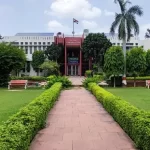
- JMI Forms 7-Member Panel to Engage Protesting Students and Restore Campus Calm
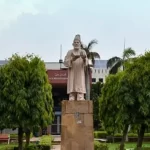
- Bridging Science and Care: JMI Hosts 11th National Conference on Heart Disease Research
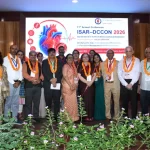
- Prof. Md. Imtiyaz Hassan Honoured with Careers360 Faculty Research Award for Most Outstanding Researcher
- Jamia Senior Secondary School Joins Hands with IIT Madras for Online Certificate Courses
- Army Commander Northern Command Chairs Security Review Meeting in Srinagar
- JIH Urges Government to Choose Dialogue Over Confrontation on Public Issues